

Takeaways
- Converts text into natural-sounding speech using advanced AI models.
- Supports multiple languages and customizable voices for unique user experiences.
- Integrates seamlessly with other Azure services for comprehensive solutions.
- Enhances real-time applications with natural human-like speech capabilities.
- Serves various industries, including customer service and content creation.
Overview of Microsoft Azure Text-to-Speech
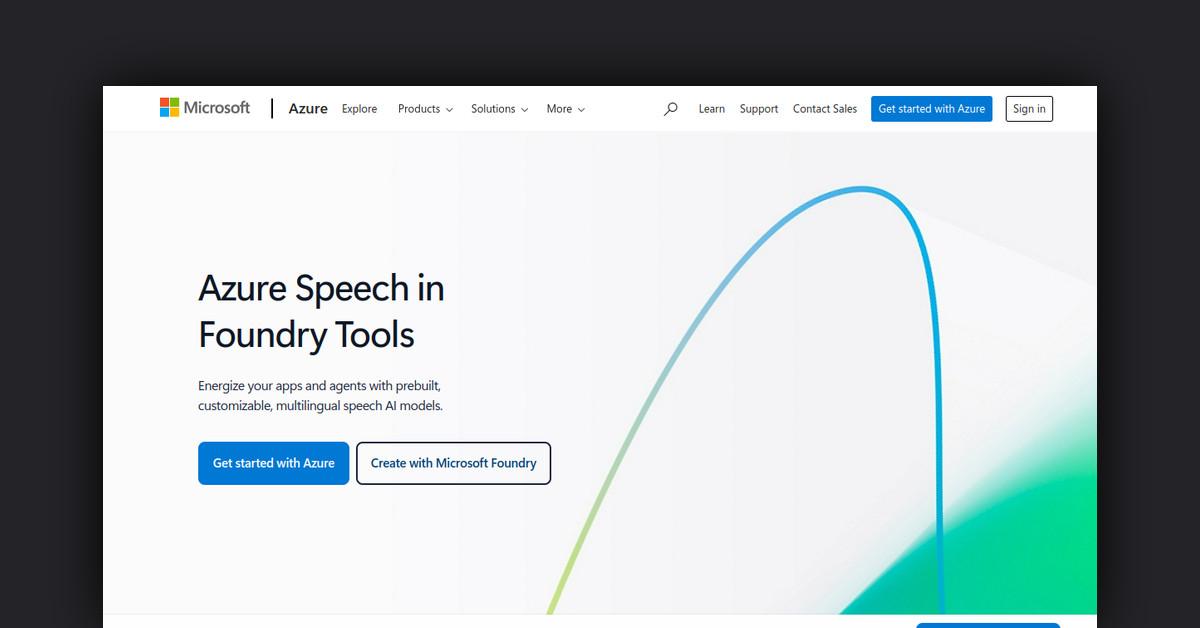
Microsoft Azure Text-to-Speech (TTS) is a powerful service designed to convert text into natural-sounding speech. It is part of Azure's Cognitive Services, providing developers with the tools needed to create voice-enabled applications that can communicate naturally with users. Azure TTS supports multiple languages and offers customization options to create unique voice experiences for various applications.
How Does Azure Text-to-Speech Work?
Azure TTS uses advanced AI models to transform written text into spoken words. These models are capable of producing human-like speech, making interactions more engaging and realistic. The process involves inputting text, which is then processed by Azure's AI algorithms to generate audio output. This service can be employed in real-time applications or for pre-recorded content.
Features, Functionalities, and Benefits
Azure Text-to-Speech offers a comprehensive suite of features designed to enhance user interaction through voice.
- Multilingual Support: Azure TTS supports a wide range of languages, allowing businesses to cater to a global audience.
- Customizable Voices: Users can create custom voices to fit their brand identity, allowing for unique and personalized user experiences.
- Natural-Sounding Speech: The AI models generate speech that mimics human inflection and tone, making interactions more natural.
- Real-Time Processing: Capable of handling real-time applications, Azure TTS can be used in scenarios where immediate audio feedback is essential.
- Integration with Azure Services: Seamlessly integrates with other Azure services for a more comprehensive AI-driven solution.
Use Cases and Potential Applications
Azure TTS can be applied across various industries to improve communication and automate processes.
- Voice-Enabled Agents: Perfect for customer service bots, providing responses in a natural-sounding voice, enhancing customer interaction.
- Speech-to-Text Applications: Useful for transcription services in call centers or meetings, supporting over 100 languages.
- Content Creation: Ideal for generating audio content for e-learning, podcasts, and more, offering a diverse range of voices and languages.
- Accessibility Tools: Helps in developing applications for visually impaired users by converting text content into speech.
Who Is Azure Text-to-Speech For?
Azure TTS is designed for developers and businesses looking to integrate voice capabilities into their applications. It is particularly beneficial for:
- Developers: Those building applications that require speech interaction.
- Businesses: Companies aiming to enhance customer engagement through voice-enabled solutions.
- Content Creators: Individuals or organizations creating audio content in various languages.
Integrations Available
Azure TTS integrates with various Azure services, allowing users to build comprehensive AI solutions. It works seamlessly with:
- Azure OpenAI: For incorporating multimodal AI capabilities.
- Microsoft Foundry: To develop generative AI applications.
- Content Safety Tools: Ensuring solutions adhere to responsible AI principles.
List of Useful or Important Links and Resources
- Microsoft Azure Text-to-Speech Service
- Explore Azure Speech Capabilities
- Learn More About Security on Azure
By leveraging Microsoft Azure Text-to-Speech, developers and businesses can create dynamic, voice-enabled solutions that enhance user experiences and broaden accessibility.
Last Updated: